HOW COMMON
More than half of mornings
In more than 3 million nights logged by phone users, 55.6% of sleep sessions ended with a snooze, pressed 2.4 times on average.
See the numbers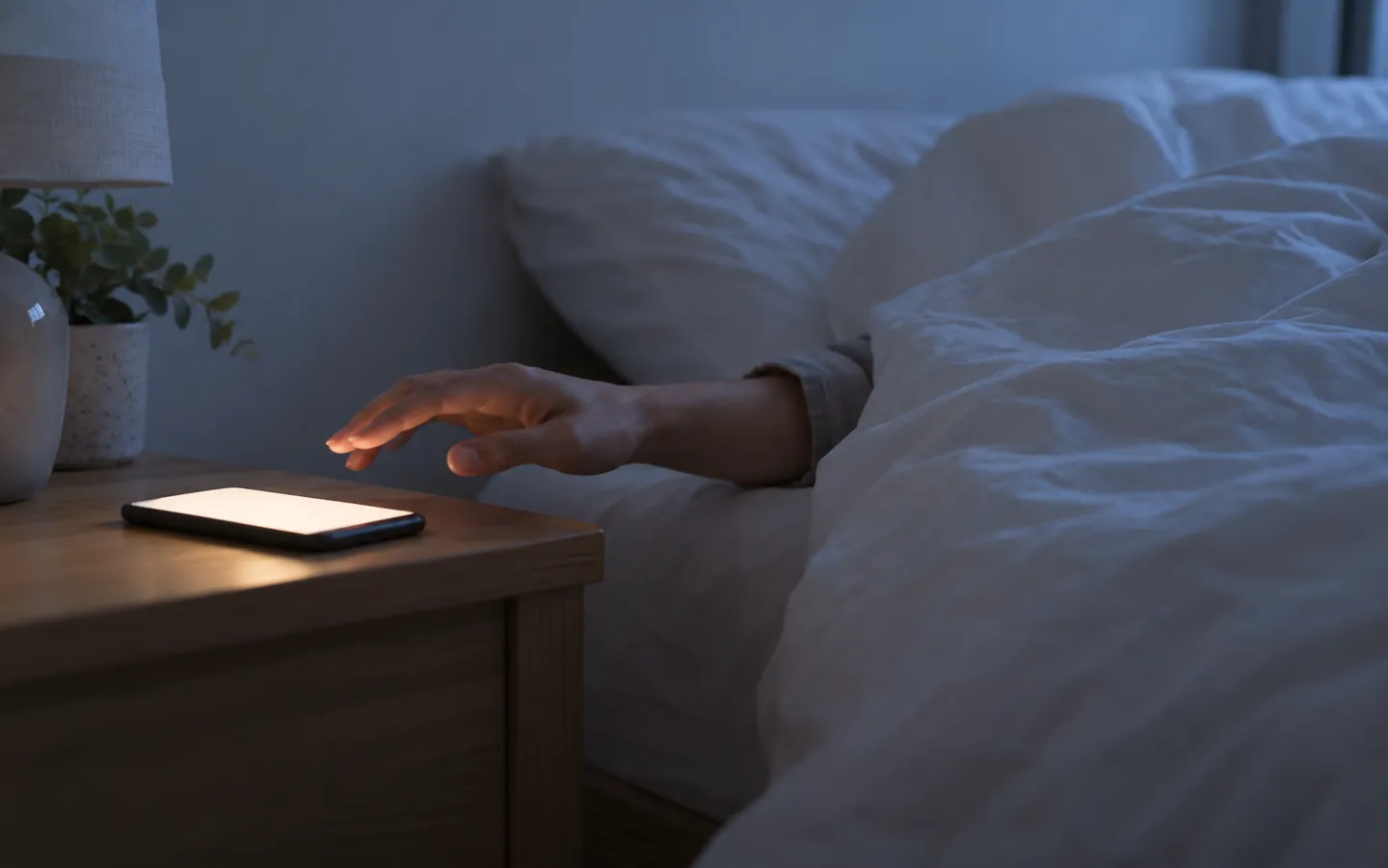
WHAT THE SLEEP RESEARCH SAYS
55.6% of sleep sessions ended in a snooze
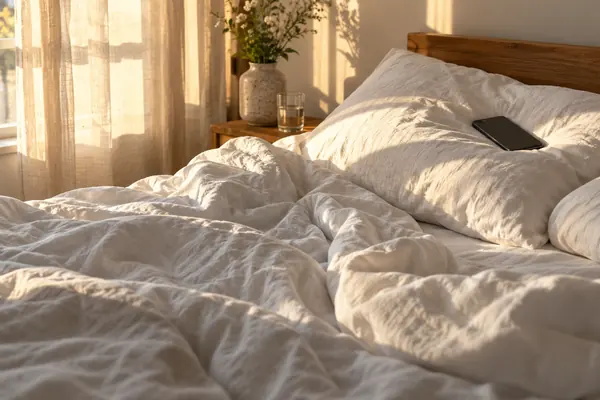
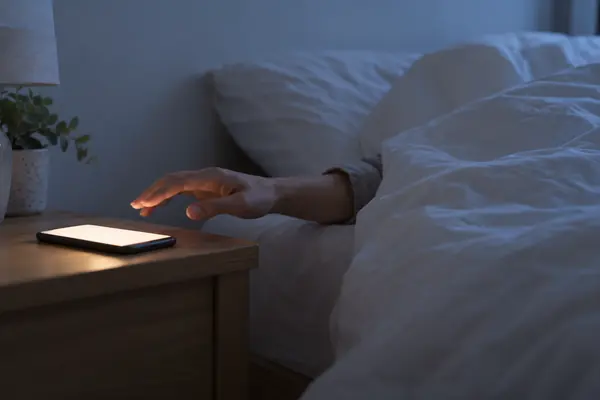
AI-generated image, not a photograph of a real person or place.
The alarm goes. The thumb finds snooze.
Pressing snooze is one of the most common ways to start the day, yet it has been studied surprisingly little. Recent research has started to measure how often people snooze, and what it does to sleep and the groggy first minutes after waking.
THE SHORT ANSWER
Three findings from recent studies
of the snooze button.
HOW COMMON
In more than 3 million nights logged by phone users, 55.6% of sleep sessions ended with a snooze, pressed 2.4 times on average.
See the numbersIN THE LAB
In a Swedish lab study, 30 minutes of snoozing cost about 6 minutes of sleep and improved or did not affect thinking tests straight after rising.
Check your snoozeTHE FOG
The grogginess after waking, called sleep inertia, usually returns to pre-sleep levels within about 30 minutes, sometimes 15.
Why mornings feel foggy
WHAT THE GUIDANCE SUGGESTS
The research does not say snoozing is harmful for most people. It does point to regular sleep and a little patience with the first half hour.
The NHS says a regular sleep routine makes it easier to fall asleep, and suggests keeping it the same even on days off.
Sleep inertia usually fades within about half an hour, so avoid important decisions in the first minutes.
In the phone study, going to bed later than usual went with more snoozing, and earlier bedtimes with less.
In the Swedish survey, morning drowsiness and shorter sleep were more common among people who snooze.
TWO NUMBERS WORTH KNOWING
Two figures from a 2025 study of
21,222 sleep-app users on 4 continents.
55.6%
Sleep sessions that ended with a snooze
Snoozing was more common in women than men, and in sleep sessions longer than 9 hours. Earlier studies put snooze use at 30 to 60% of people, depending on the group.
HOW OFTEN · SCIENTIFIC REPORTS 2025
10.8 min
Average time spent snoozing, when people snoozed
Users pressed snooze 2.4 times on average. The UK made up 12.7% of the 21,222 users, the second-largest group after the US.
HOW LONG · SCIENTIFIC REPORTS 2025
The authors say more research is needed on how snoozing affects daytime performance. The data came from users of a single sleep-tracking app, so they are not a random sample of the population.
CHECK YOUR SNOOZE
Pick the snooze habit closest to yours to see what the studies found. The bar shows how much snooze time each habit involves.
Based on Sundelin and colleagues (2023) and a 2025 study of smartphone sleep-app users in Scientific Reports. General information, not medical advice.

WHY MORNINGS FEEL FOGGY
Sleep inertia is the temporary sleepiness, disorientation and impaired performance on waking. Blood flow in the brain stays lower than before sleep for up to half an hour, and the front of the brain takes longest to recover.
It is worse after sleep loss and when waking during the biological night. A review in Nature and Science of Sleep found no clear evidence yet that any quick fix, such as light or sound, reliably removes it.
In conversation
Not necessarily. A 2023 lab study of habitual snoozers found 30 minutes of snoozing improved or did not affect thinking tests on rising, and had no clear effect on mood, morning sleepiness or overnight sleep.
In that study, 30 minutes of snoozing resulted in about 6 minutes of lost sleep, while preventing awakenings from deep, slow-wave sleep.
In a 2025 study of more than 3 million nights from 21,222 phone app users, 55.6% of sleep sessions ended with a snooze. Earlier studies suggested 30 to 60% of people use snooze.
That is sleep inertia: temporary sleepiness and slower thinking after waking. Studies show it usually returns to pre-sleep levels within about 30 minutes, and sometimes within 15.
Snoozing was more common in younger people and later chronotypes, or night owls, in the Swedish survey, and in women and people who went to bed later than usual in the phone study.
Each figure on this page comes from the sources below.
ABOUT THIS NAME
phonewakemenot.com is part of the DoodleSale portfolio. It isn't in an auction right now, but you can ask about leasing it.